THE SCENE
The Eyes Have It: Decoding the "Upper Bleph" Boom
From Jennifer Lawrence to Susan Dell, the internet is losing its mind over upper-face transformations. Here is the anatomy behind the trend, and why personal happiness is the only metric that actually matters.
On this page
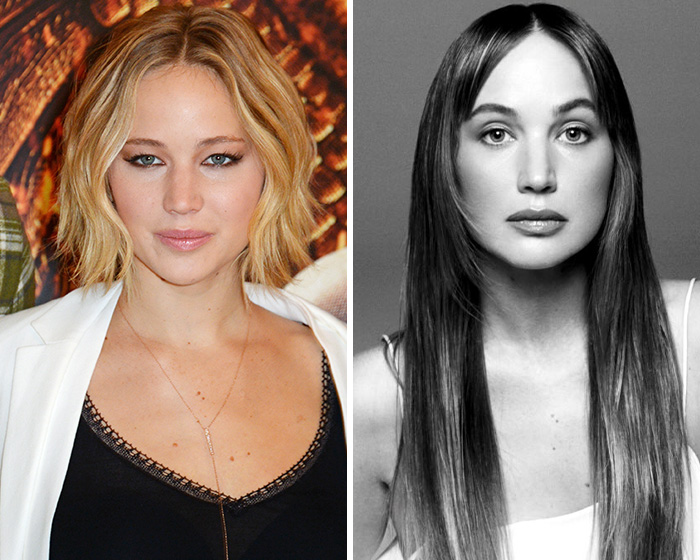
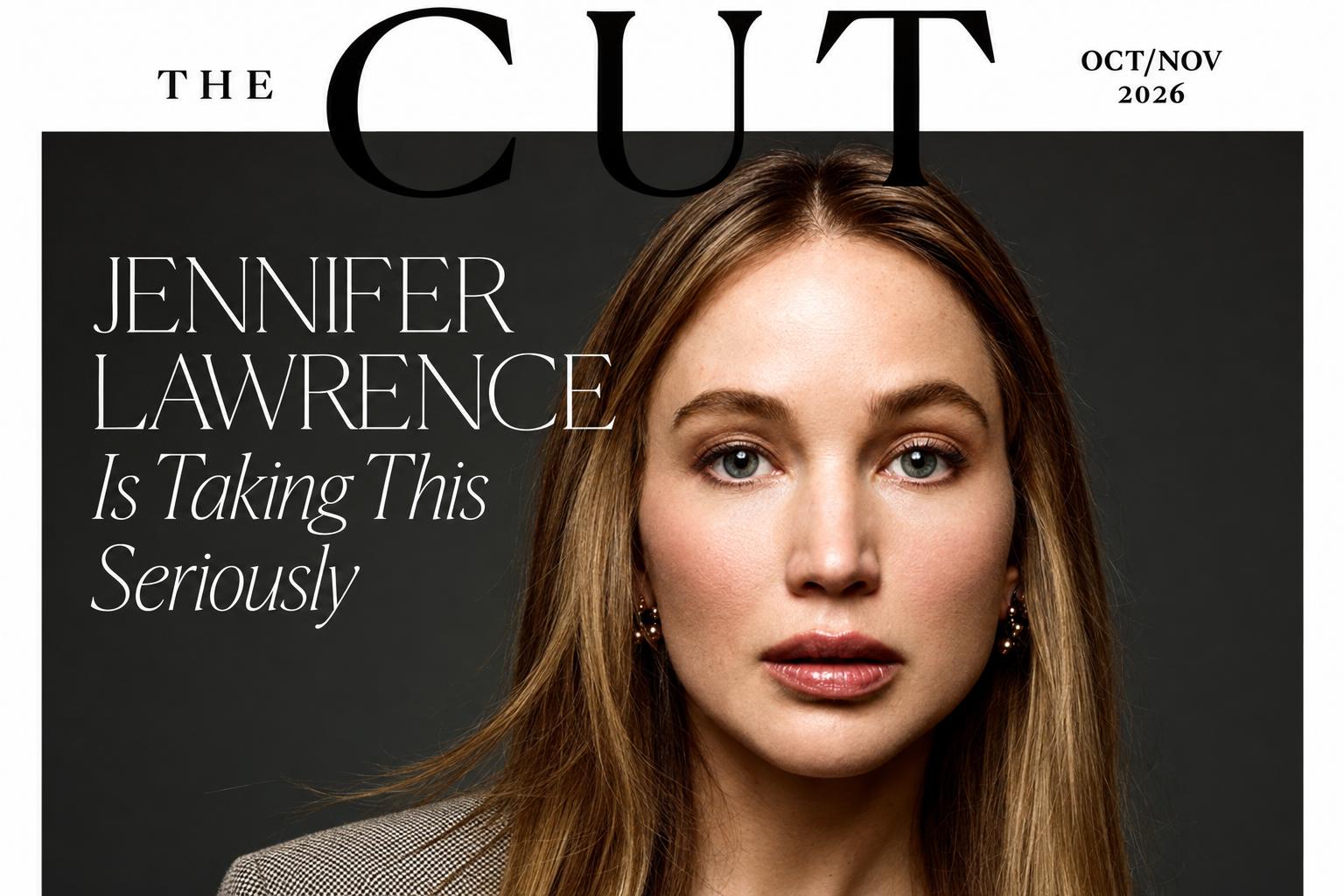
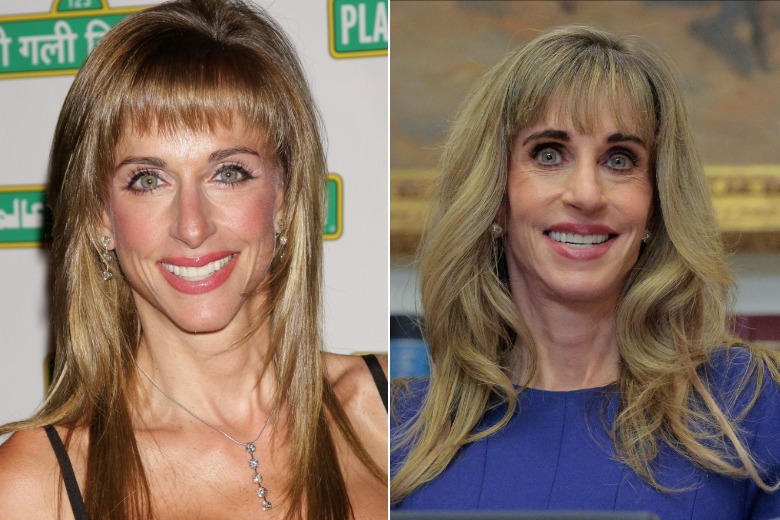
If you have scrolled through social media lately, you have likely been stopped in your tracks by two side-by-side photos sparking endless debates: Jennifer Lawrence’s high-fashion editorial portraits and billionaire philanthropist Susan Dell’s recent public appearance at the White House.
At 36 and 62, these two women sit in completely different phases of life and aesthetic eras, yet they are trending for the exact same reason. Both stepped out looking strikingly different—and in both cases, the entire shift happens in the upper third of the face.
While the internet has been quick to dissect every millimeter of their bone structure, looking at these transformations through an editorial lens reveals two things: the undeniable rise of Hollywood’s biggest "trending" procedure, and a much bigger question about why the public feels entitled to a celebrity’s "before" face.
The Anatomy of the Shift: The Upper Blepharoplasty Boom
When we look at someone and think, “Wait, is that really her?”, our brains are almost always reacting to a change in periorbital geometry—the exact distance and shadowing between the lash line and the brow bone.
Right now, aesthetic medicine is in the middle of an upper blepharoplasty and brow-lift boom. For decades, heavy or hooded upper eyelids were viewed simply as a genetic trait. Today, carving out the upper lid to reveal more mobile eyelid space and elevating the arch of the brow has become the go-to combination for an instant, wide-awake refresh.
- Jennifer Lawrence & The Disappearing Signature Hood: For the first decade of her career, Lawrence’s signature look was defined by her deeply hooded, sultry eyes—where the natural orbital fold rested right above her lashes. In her recent portraits, that heavy fold is gone, replaced by crisp, visible lid space and a higher, rounded brow arch. It is heavily reminiscent of Renée Zellweger’s famous transformation: when you alter a signature hooded lid, even a technically smooth surgery completely changes facial recognition.
- Susan Dell & The Risk of Over-Excavation: On the other end of the spectrum, Dell’s recent appearance shows what happens when upper-eyelid tissue removal and high brow tension meet natural age-related volume loss. As we age, the eye socket naturally widens and loses fat. If an upper blepharoplasty removes too much skin and orbital fat on an already lean face—paired with a heavy, dark brow makeup—it creates a deep hollow beneath the brow bone (often called an A-frame deformity), leaving the eyes looking startled rather than rested.
The Other Half of the Equation: Time, Gravity, and Retouching
Before attributing every shift solely to the scalpel, we also have to factor in reality. Comparing a candid red-carpet snapshot from a decade ago to a heavily retouched, high-contrast magazine editorial isn't an apples-to-apples comparison.
Ten years brings a lifetime of biological shifts: motherhood, natural mid-face fat depletion, weight changes, gravity, hormonal shifts, hair color swaps, and studio lighting. In fact, if you look at Lawrence’s unedited Getty photos from the exact same week, she still very much looks like Jennifer Lawrence—just Jennifer Lawrence with a more open eye area and a narrower mid-face.
Whose Face Is It Anyway?
Beyond the surgical breakdown lies the most important takeaway from this entire viral moment: the only person whose happiness matters is the patient’s.
As board-certified oculoplastic surgeon Dr. Flora Levin (@floralevinmd) pointed out while weighing in on the viral uproar, problems in plastic surgery only truly arise when a patient doesn't know how to communicate their expectations and a surgeon imposes their own aesthetic taste. Otherwise, what the public views as the "loss of a signature feature" might actually be the exact outcome that woman wanted for years.
We have developed a strange cultural habit of acting as though public figures need permission from strangers before altering their own bodies. Imagine fixing something you have felt self-conscious about your entire life, only to have millions of people drag you on the internet because you didn't maintain your looks to their comfort level. What fans saw as Lawrence’s "endearing hooded eyes" might have been something she wished wasn't there every time she looked in the mirror.
Furthermore, with the recent announcement of her new haircare line mes (a launch we will cover in a separate article), Lawrence is smartly expanding her revenue streams into entrepreneurship. As she steps into her founder era, she is likely less concerned with protecting a traditional acting career—which, as we all know, often slows down for actresses as they age anyway—and far more focused on looking the way she wants to look.
It is always fascinating to decode the procedures shaping modern beauty standards. However, once the analysis is done, grace has to win out. Whether a transformation aligns with our personal taste or not, they aren't wearing their faces for us and feeling good in your own skin is the only thing that truly counts.