
BEAUTY
Azelaic Acid: The Skincare Ace Up Your Sleeve (Part 1)
Dermatologists call it a "jack of all trades," yet this quiet multitasker deserves a bigger title. Welcome to Part 1 of our three-part deep dive into one of skincare’s most underrated heroes.
Advertisement
If you ask me which skincare active I refuse to live without, my answer is instant: azelaic acid. As a devoted azelaic acid lover, I realized a single post simply couldn’t do this truly alesing ingredient justice. That’s why I’m kicking off a three-part series dedicated entirely to it, starting with what it is, what it does, and why it deserves a permanent spot on your shelf.
Dermatologists often call azelaic acid a "jack of all trades." Honestly, I think that sells it short. To me, it’s the ultimate ace up your sleeve—the quiet, dependable formula you pull out when your skin needs clarity, calm, and brightness all at once.
What Is Azelaic Acid?
Despite the word "acid," azelaic acid is nothing like harsh exfoliating peels. It’s a naturally occurring dicarboxylic acid found in grains like wheat, rye, and barley—and it’s even produced naturally by healthy yeast living on human skin. Synthesized in a lab for purity and stability, it works steadily without stripping your moisture barrier.
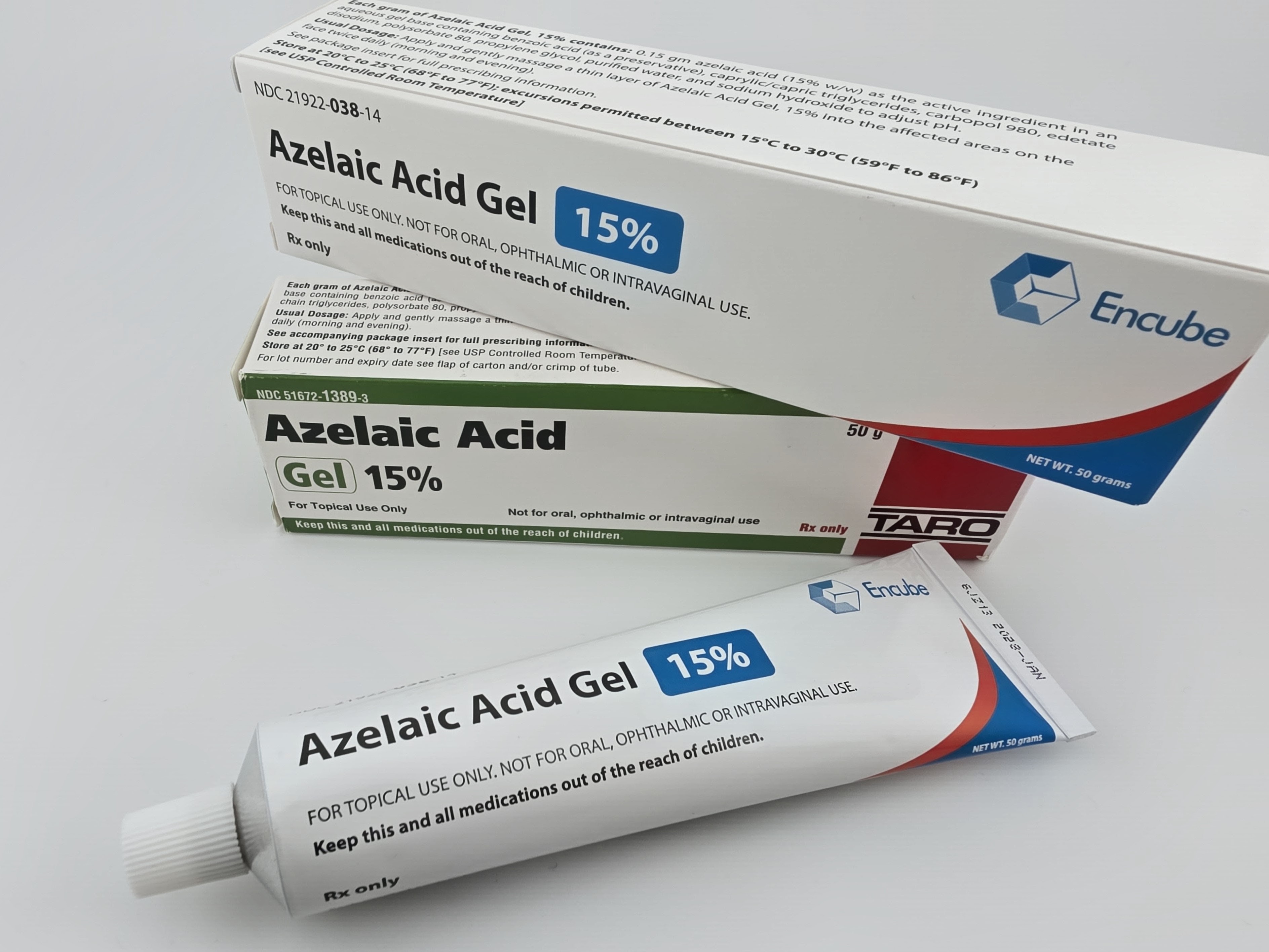
In the United States, standard over-the-counter (OTC) formulas cap out at 10% pure azelaic acid. Anything stronger moves into prescription (Rx) territory, where dermatologists prescribe 15% (typically a gel or foam, FDA-approved for rosacea) or 20% (a cream, FDA-approved for acne).
What Is It Good For?
Most skincare actives are single-task specialists. Azelaic acid is the rare multitasker that tackles several common concerns at once:
- Rosacea and Redness: Its potent anti-inflammatory properties calm flushing, bumps, and visible redness.
- Hyperpigmentation and Melasma: By inhibiting tyrosinase—the enzyme behind excess pigment—it fades dark spots and evens tone without lightening surrounding healthy skin.
- Uneven Texture: It gently smooths rough patches and keeps pores looking refined.
- Breakouts: Above all, it’s a standout ally for blemish-prone complexions.
Why Acne-Prone Skin Loves It
If you deal with breakouts, azelaic acid targets acne from every angle without wrecking your barrier:
- Unclogs pores: It normalizes how dead skin cells shed, so they stop clumping together and causing congestion.
- Fights bacteria: It reduces acne-causing bacteria (Cutibacterium acnes) without triggering antibiotic resistance.
- Calms inflammation: It quickly takes the angry, red swelling out of active blemishes.
- Fades post-acne marks: It clears both the stubborn red spots and lingering brown marks left behind long after a breakout heals.
Even better? Azelaic acid is pregnancy and breastfeeding-safe. When retinoids and high-strength salicylic acid are off the table, it remains a dermatologist-trusted staple for keeping breakouts and melasma under control.
Layering It Into Your Routine (and How I Use It)
Another reason to love azelaic acid is how well it plays with other actives—including hydrating peptides, niacinamide, antioxidants, and even retinoids—if your skin tolerates the combination.
Knowing your own threshold is everything. Speaking from experience, as a woman with acne-prone skin, I’ve used azelaic acid in my routine for over two years and genuinely love what it does for my complexion. I apply my prescription-strength formula every single morning. While some people layer it alongside a nighttime retinoid, I also have sensitive skin and simply can’t tolerate using it at night with my Tretinoin. Splitting them up—azelaic acid in the morning, Tretinoin at night—gives me the best of both worlds with zero irritation.
What’s Coming Next
If you’ve browsed the skincare aisle lately, you’ve probably spotted a wave of sleek new over-the-counter serums claiming the exact same strength as a prescription. On the front label they look identical, yet in reality, they aren’t nearly as potent.
In the second episode of this series, we’ll do a deep dive into these new OTC formulas, how they reach those headline percentages, and why pure prescription strength still wins. Stay tuned!